

History isn’t (or certainly shouldn’t be) just confined to dusty textbooks and dimly lit museums – it’s a living, breathing tapestry of human experiences and cultures waiting to be explored.
But how do we ensure that the richness of our past resonates with present and future generations whilst making it accessible at low cost to the widest possible audience? The answer lies in harnessing the power of interactive virtual tours.
Educational Enhancement: A good teacher with a passion for the subject is arguably ‘the’ best ways that History can be brought to life. However, in the absence of such a person or, as an aid to that teachers educational toolkit, interactive virtual tours add a new dimension of engagement and interest.
Imagine being able to learn about ancient civilisations and cultures by stepping into a late iron-age Celtic village (managed by English Heritage) or, experiencing the spartan confines of a Royal Canadian Airforces’ WW2 Lancaster bomber on your smartphone, tablet or desktop?
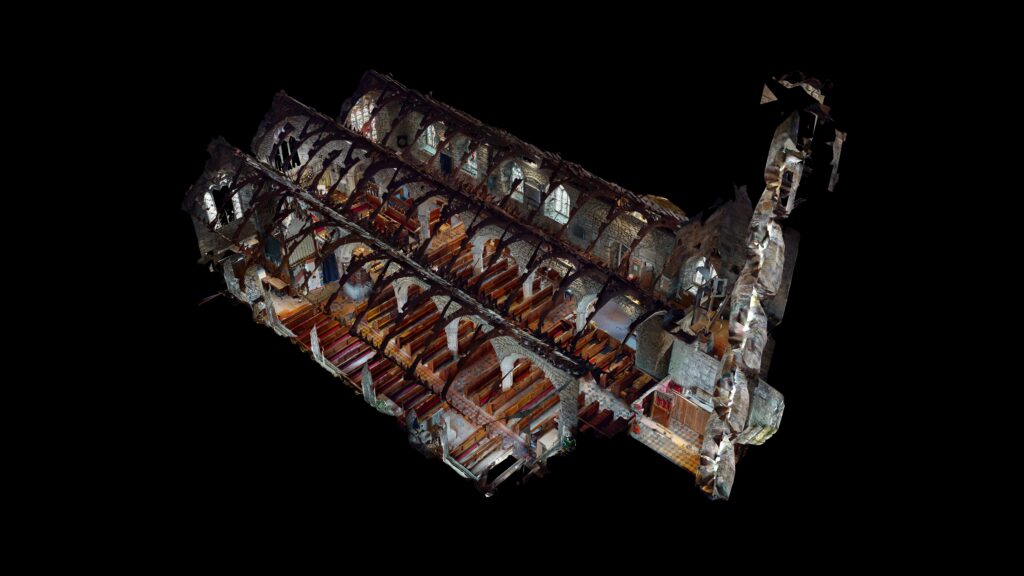
Interactive virtual tours bring history to life in ways that traditional methods cannot match. By immersing students in realistic environments, these tours foster deeper understanding, critical thinking, and empathy, transforming passive learners into active participants in their own education.
The benefits of interactive virtual tours extend far beyond the classroom. Whether you’re a student, educator, parent/carer or simply curious member of the public, these tours offer a dynamic and engaging way to explore history. From ancient wonders to modern marvels, there’s something for everyone to discover and enjoy.
Societal Impact: History is more than just dates and facts—it’s a lens through which we can understand ourselves and our place in the world. By making historical sites and museums accessible through interactive virtual tours, we preserve our collective heritage and ensure that it remains relevant and accessible to future generations. These tours bridge geographical and cultural divides, allowing people from diverse backgrounds to connect with shared human experiences and cultivate a sense of global citizenship.
Legal and Moral Imperatives: Access to cultural heritage shouldn’t be a privilege reserved for the few—it’s a fundamental right that should be upheld for all. In the UK, The Equality Act 2010 mandates reasonable adjustments to ensure that disabled people can access goods and services, including cultural institutions. By offering interactive virtual tours, historical sites and museums can also fulfil their legal obligations to provide equitable access to people of all abilities, thereby promoting inclusivity and social justice.
With initial tour creation, annotation and hosting costs of a typical sized tour* of a regional museum costing just the daily equivalent of a couple of large cups of barista made coffee in year one, they can be a highly reasonable, ‘reasonable adjustment’ too.
Business Sense: Investing in interactive virtual tours isn’t just a legal and moral imperative, it’s also a highly sensible business move too!
In an increasingly digital world, cultural institutions must adapt to meet the evolving needs and preferences of their audiences. Virtual tours offer a cost-effective, proven, way to attract visitors, increase engagement, and generate greater revenue through ticket sales, merchandise, and donations. Moreover, they extend the reach of historical sites beyond their physical boundaries, reaching audiences around the globe 24/7.
In conclusion: Interactive virtual tours are a powerful tool for bringing history to life, making it more engaging, accessible, inclusive and relevant to people of all ages, incomes and backgrounds. By embracing this low-cost technology*, historical sites and museums can fulfil their legal, societal and moral obligations, enhance educational experiences, foster societal cohesion whilst also helping to ensure their own long-term sustainability.
Chris Wood
Director Ocean 3D Ltd 24/03/2024
Ocean 3D is a UK veteran owned SME business who pioneered the use of Matterport™ interactive tours technology as a tool to make spaces more inclusive and accessible. Free at the point of use, our tours are used across a wide and growing variety of sectors and organisations. Ocean 3D are recognised as one of the global leaders in interactive accessible friendly tour creation.
If you’ve found this article helpful or interesting, please share. Thank you.
References:
The Equality Act 2010: https://www.legislation.gov.uk/ukpga/2010/15/contents
UNESCO World Heritage Sites: https://whc.unesco.org/en/list/
Museums Association Code of Ethics: https://www.museumsassociation.org/collections/collections-ethics/
*A typical sized tour used in this example assumes a scanned area of circa 1,000M² within 150 miles of Ocean 3Ds’ base and current average prices from two well-known high-street coffee houses large caffe-lattes. Year 2 hosting and support contracts are currently £165 and £265 per year (£0.45p – £0.73p daily cost respectively) dependent on the size of tour (based on numbers of in-tour scanner positions). WCAG web compliant alternate navigation, screen-reader compatibility and high contrast options etc. can also be added for an additional £15 PCM Example tour: www.flybrownsville.com
For a free, no obligation quotation, contact +44 0 1736 339405 or email using the form below.