
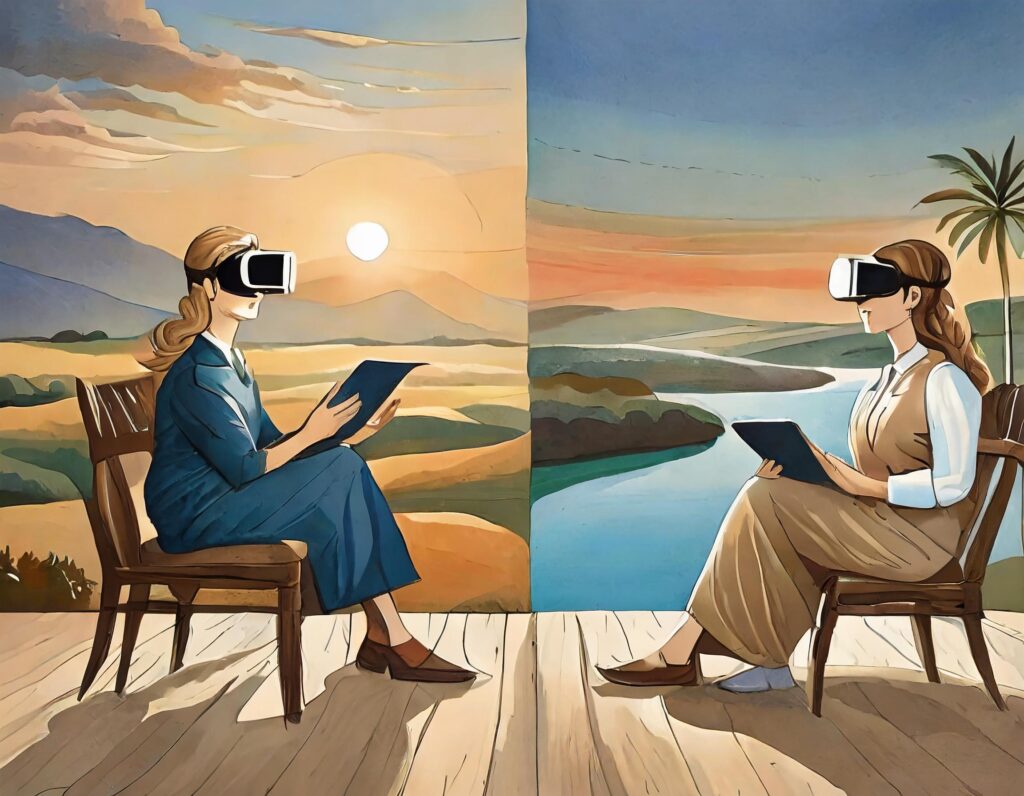
The Role of Interactive Tours in Promoting Cultural Inclusivity: In our rich, culturally diverse world, the journey towards cultural understanding is ongoing. Interactive virtual tours have emerged as a vital tool in this endeavour, providing immersive experiences of diverse cultural sites. Through an examination grounded in calibrated questions, we can uncover how these digital explorations contribute to fostering inclusivity.
What Exactly Are Interactive Tours? Interactive tours are digital recreations that allow individuals to virtually explore various environments. These experiences, facilitated by companies like Ocean 3D, are accessible on a wide array of smart devices, making cultural sites available to a broad, global audience. These aren’t just visual tours; they’re interactive experiences designed to engage users in learning about and experiencing different cultures.
Promoting Cultural Inclusivity: How Do Interactive Tours Contribute?
Accessibility: A key challenge to cultural inclusivity is accessibility. Interactive tours can remove physical barriers, enabling those with physical or hidden disabilities to explore cultural sites. This inclusivity extends to people experiencing autism, anxiety, PTSD, and those with mobility issues, making culture more accessible to everyone.
Educational Value: Interactive tours offer deep dives into the history, art, and practices of various cultures, acting as highly engaging educational tools. By exposing individuals to the breadth of global cultures, these tours work against stereotypes and foster a broader understanding and respect for diversity.

Fostering Empathy: Through immersive experiences, users gain insights into the perspectives of people from different cultural backgrounds. This empathy-building is crucial for reducing cultural gaps and promoting social harmony.
Building Connections: These tours not only highlight the differences but also the commonalities among cultures, encouraging a sense of global community. They open channels for dialogue and allow users to reflect on their cultural identities, appreciating the diversity of the world.
Evaluating Their Impact: The true impact of interactive tours on cultural inclusivity depends on their accessibility and the quality of engagement they promote. To be genuinely effective, these tours must be designed to accommodate all users including those sensitive to amongst other factors; sensory inputs, impaired motor function skills or, prone to motion sickness. The representation of cultures within these tours also requires careful consideration to ensure it is both respectful and balanced.
Future Prospects: The promise of interactive tours in enhancing better cultural understanding is significant. However, harnessing this potential fully requires dedication from creators, educators, and cultural bodies alike. By focusing on accessibility, educational value, empathy, and connection, the contribution of technology in creating a more inclusive society can be maximised.
As we navigate our diverse cultural landscape, interactive tours stand out as valuable tools for enhancing understanding and bridging differences. They offer everyone, regardless of physical or mental barriers, the opportunity to explore and learn about the myriad cultures that shape our world.
The journey towards better cultural understanding is complex and, as can be seen in the daily news, challenging. Interactive tours offer a key stage as one factor in this journey of the many steps society can and must take. It’s an invitation to explore, learn, and connect with the rich tapestry of global cultures from anywhere, at any time.